Spacing Table
Read the spaces between forms as carefully as the strokes.
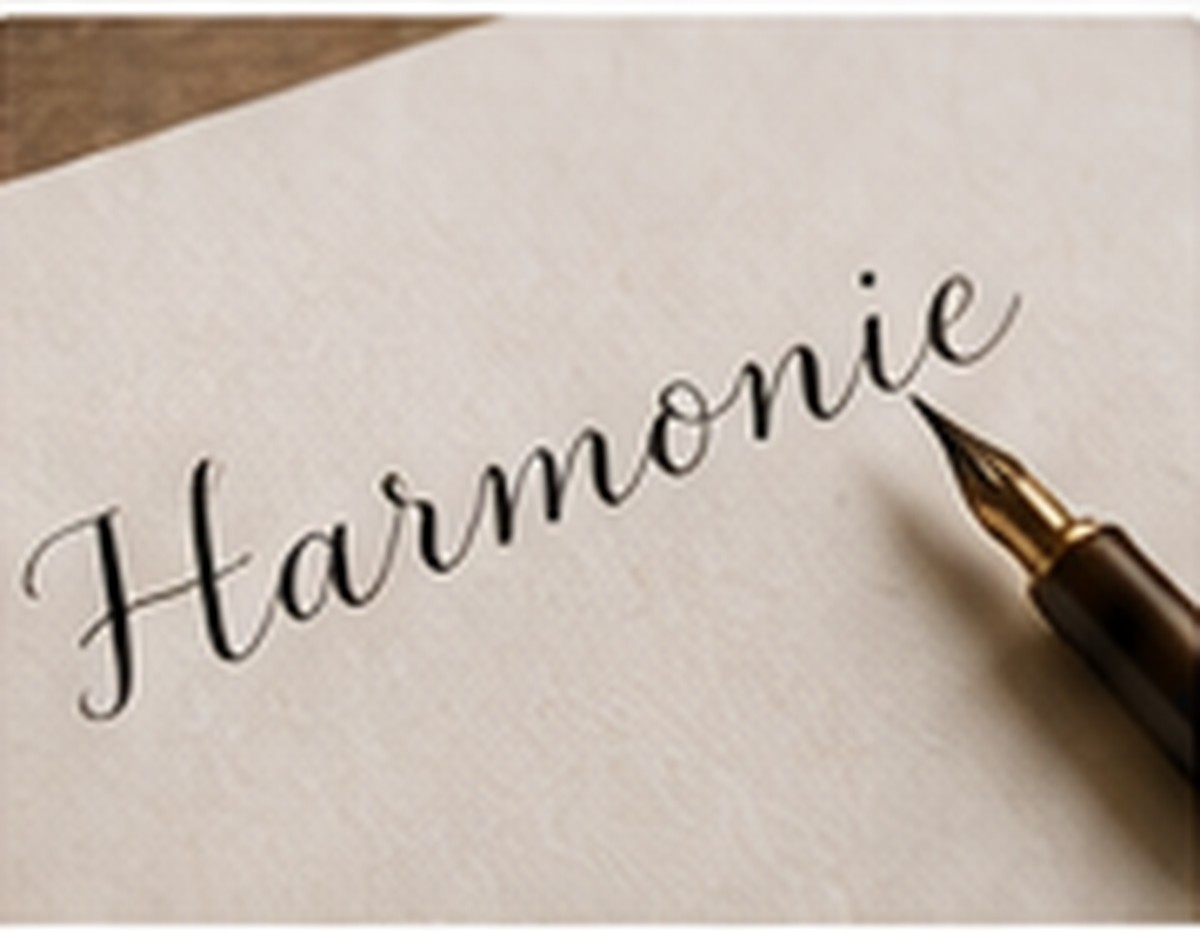
Spacing is optical, not only measured.
Equal measured gaps can appear unequal because narrow, rounded and flourished letters occupy space differently.
Exercises compare white shapes between letters and words, then ask for small optical corrections rather than mechanical spacing.
Counter-space exercise
Write a row of repeated arches or ovals. Ignore the outlines for a moment and look only at the white intervals they create. Circle spaces that visibly depart from the rhythm.
Word-pair exercise
Choose two short words with different letter shapes. Adjust only one pair at a time. The goal is to understand why the same measured gap can feel different in context.
Line rhythm
Compare the first and last third of a line. Gradual crowding often appears when hand position or attention changes over time.